
Rian Enviro Private Limited / Why Environmental Impact Assessment (EI…
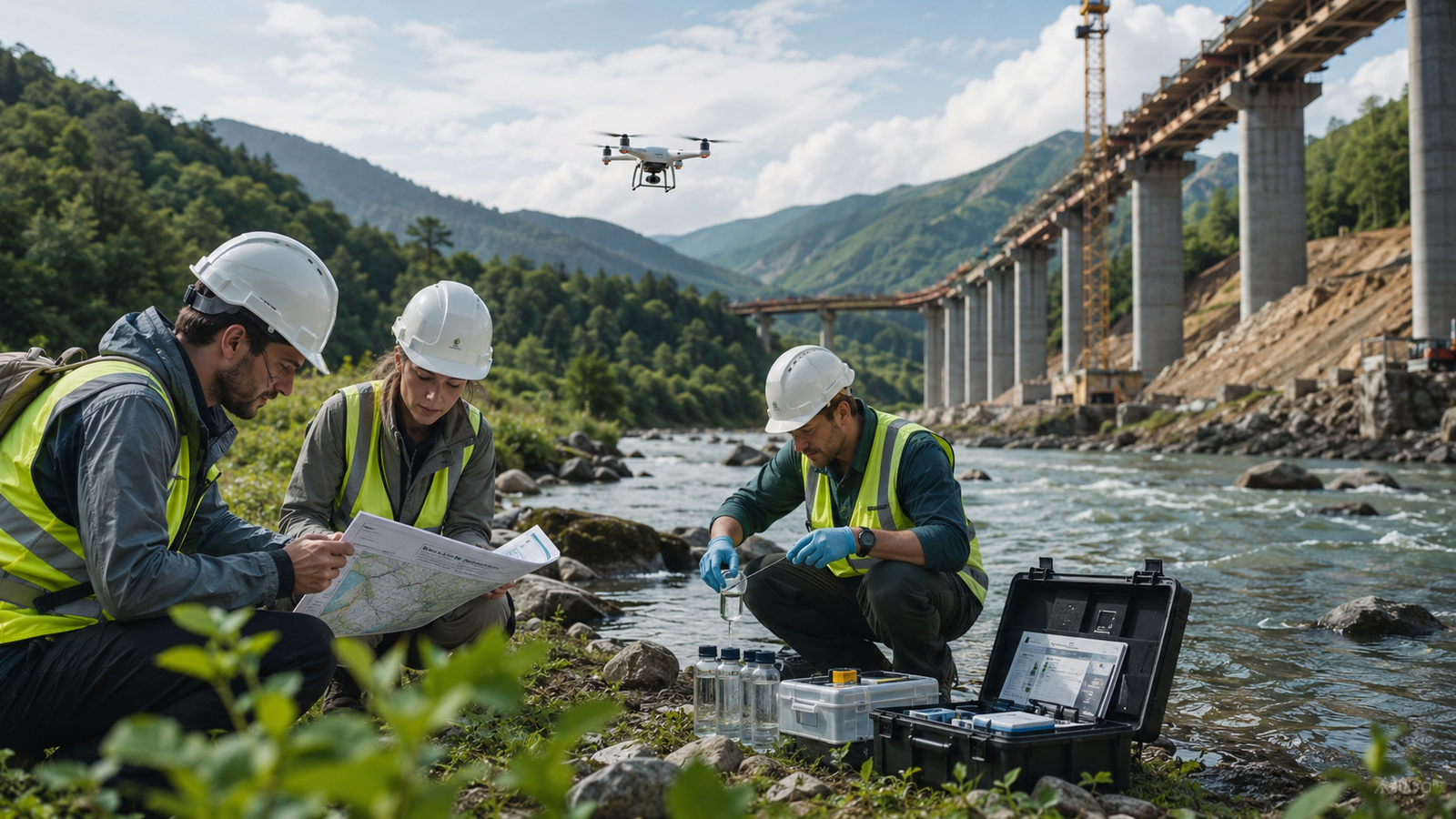
As infrastructure, industrial, and urban development projects continue to expand, balancing economic growth with environmental protection has become increasingly important. Environmental Impact Assessment (EIA) serves as a critical tool that helps organizations identify, predict, and mitigate potential environmental impacts before a project begins.
An EIA is a systematic process that evaluates how a proposed development may affect air quality, water resources, soil conditions, biodiversity, local communities, and public health. By conducting a thorough assessment during the planning phase, project developers can make informed decisions that minimize environmental risks while ensuring regulatory compliance.
One of the primary benefits of EIA is risk reduction. Identifying environmental concerns early helps prevent costly project delays, legal challenges, and remediation expenses. It also improves project design by integrating sustainable practices from the outset.
Environmental Impact Assessments also play a crucial role in stakeholder engagement. Through consultations with local communities, government agencies, and environmental experts, project developers can address concerns transparently and build public trust.
In today's environmentally conscious world, EIA is no longer simply a regulatory requirement—it is a strategic approach to responsible development. Organizations that invest in comprehensive environmental assessments demonstrate their commitment to sustainability, regulatory compliance, and long-term project success.
Whether for industrial facilities, infrastructure projects, mining operations, or urban developments, Environmental Impact Assessments remain a cornerstone of sustainable growth and environmental stewardship.